By Christopher DeLuca, Attorney at Law, DeLuca Law LLC
There are significant changes coming to the disclosures that schools must make regarding their gainful employment programs. This article reviews the new changes to make sure schools are ready for the July 1, 2017 deadline.

By Katherine Lee Carey, Special Counsel and Vince Sampson, Special Counsel, Cooley
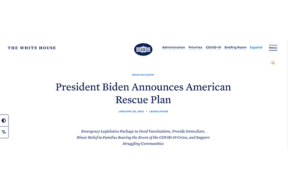
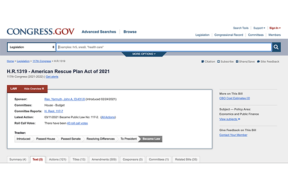
President Joe Biden signed the American Rescue Plan Act of 2021 on March 11. The ARPA includes a major change in the 90/10 revenue test that provides for-profit institutions and their students access to the FSA programs.
By Yolanda R. Gallegos, Lawyer, Gallegos Legal Group
With the proliferation of marijuana legalization laws in the country, institutions cannot afford to wait until they are sued and must develop sound policies that protect both the medical needs of their students and their federal funding.
By Katherine Lee Carey, Special Counsel, Cooley LLP
The final rule on Borrower Defense to Repayment was published on Nov. 1, and then … there was the election. Although we can’t be sure what the election will mean for the rule, schools should be prepared for a July 1, 2017 effective date.
By John Huston, Vice President of Government Relations, CECU
The Department recently announced the selection of negotiators to represent 16 distinct constituencies on the Affordability and Student Loans Committee. This article summarizes the regulatory areas the Affordability and Student Loans Committee will consider during negotiated rulemaking and what might be next on the negotiated rulemaking agenda.
By Scott Goldschmidt, Counsel, Thompson Coburn, LLP
On May 19, 2020, the Department of Education issued its highly-anticipated final Title IX rule (the “Rule”), which presents a daunting compliance challenge for institutions of higher education. This article proposes nine steps to help guide institutions toward compliance by the Rule’s effective date, Aug. 14, 2020.
By Roger Swartzwelder, Shareholder and Member of the Education Practice Group, Maynard Cooper
On Nov. 1, 2019, the U.S. Department of Education (“Department”) published final regulations amending several Title IV regulations addressing institutional eligibility and operations. These new regulations are effective July 1, 2020. The Secretary of Education (“Secretary”), however, designated certain sections for early implementation on or after Nov. 1, 2019, as detailed in this article.
By Michael Wherry, CPA, McClintock & Associates, Katherine D. Brodie, Partner, Duane Morris LLP, and Kristina Gill, Special Counsel, Duane Morris LLP
On March 14, 2021, President Biden signed into law the American Rescue Plan and, with it, ushered in a new era for the 90/10 Rule. This article will review the scope of the 90/10 Rule, analyze the implications of the proposed change, and provide schools planning recommendations.
By Bill Ojile, Partner, Armstrong Teasdale, LLP
In a decision relevant for any school that provides services to the public as a means to provide training for its students, the United States District Court for the District of Colorado recently ruled that such students are not employees for purposes of the Fair Labor Standards Act (FLSA).
By Aaron Lacey, Partner, Thompson Coburn’s Higher Education practice and Editorial Director, REGucation, the firm’s higher education blog
As institutions with online programming are well aware, the U.S. Department of Education’s new “state authorization” rule is set to become effective this coming July 1, 2018. This article discusses the new authorization and disclosure requirements set forth in the rule.